A bottle of Sainsbury’s Rioja in late seventies England sparked an enthusiasm which turned into an obsession. Moving to Australia only made it worse. At least I know I’m not alone.
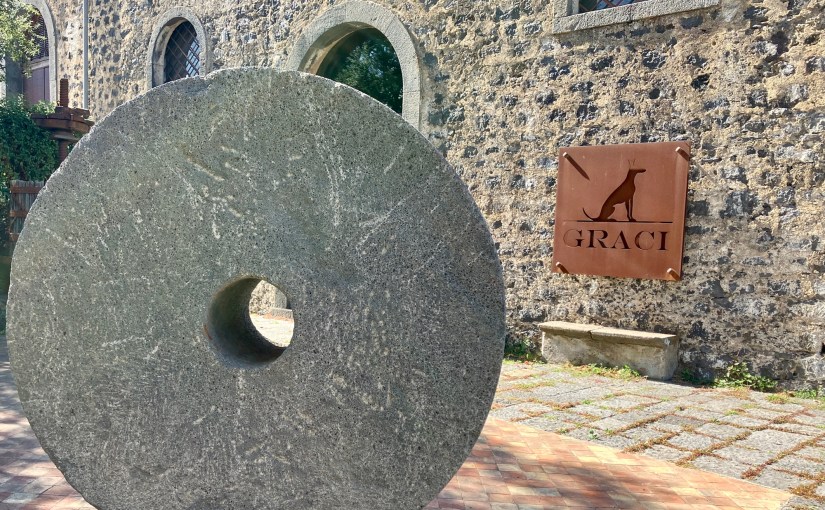
Another passionate and big investment in Etna’s vineyards, Graci are just a few minutes walk from Passopisciaro’s main street where the speed limit seems to be optional and the morning coffee choices are limited. Arriving at the same time as crates of just picked Carricante, those promising smells of a winery in vintage filled the noses of us lucky tasters.
As a nerdy aside, it’s maybe interesting to note a couple of choices when making white wine, starting as soon as grapes arrive. Here Graci choose to destem and crush rather than the whole bunch pressing of I Custodi. I’m pretty sure I can’t tell the difference when the juice is fermented and rested safely in a bottle. Both ways seem more about avoiding the flavour and texture of leaving the juice to suck up skin flavours. Fascinating, no.
All of Graci’s production seems to come from vineyards close to their home, even the whites are local to the north slopes rather than from the east favoured by some. They do have a joint venture with Gaja of Piemontese fame on the south west slope but the tasting concentrated on the home vineyards. Walking along the western edge of Arcuria on the way to taste, the vines looked in the best of health. 2024 is putting a smile on quite a few Etna faces. Speaking of which, the simpatico Riccardo led us through a broad and delicious line up.
The whites were maybe a bit rounder and softer than those from further east but had a purity and focus that showed some impressive definition as the two crus of Arcuria and Muganazzi were quite different in flavour and structure. The former riper, rounder and all yellow fruit, the latter really reduced, more linear with a higher line of ashy acidity. Interesting too how we all see different things in wine. Of seven tasters, I was the only one to prefer Arcuria, finding Muganazzi just a bit too sulphury.
On to the reds, noting that pink is for drinking not going on about, the cleanliness and purity were remarkable. But in no way diminishing the depth or sense of place. The 2021 Arcuria, Mascalese 100%, was hedonistic with rich perfumes of ripe wild strawberry juice, spice and fine white fireplace ash. A bottle would disappear as quickly as some drivers take the bends in the roads around Etna. From a special patch of Arcuria, Sopra il Pozzo, above the well, was well above many Etna Rossi in terms of rounded sweet autumn fruit, smoky with age, and a perfect wash of those volcanic tannins and acidity that leave no gaps. If we were tasting blind, I made the dubious comparison that I would have maybe thought it a mature 1er cru Burg with some austerity. Silly maybe but sometimes comparison is the easy option. Tasting such good things so close to where they grow is a privilege. Grazie, Graci and Riccardo indeed and the friendship that made it possible. Etna blew a smoke ring as a reminder of who’s in charge.
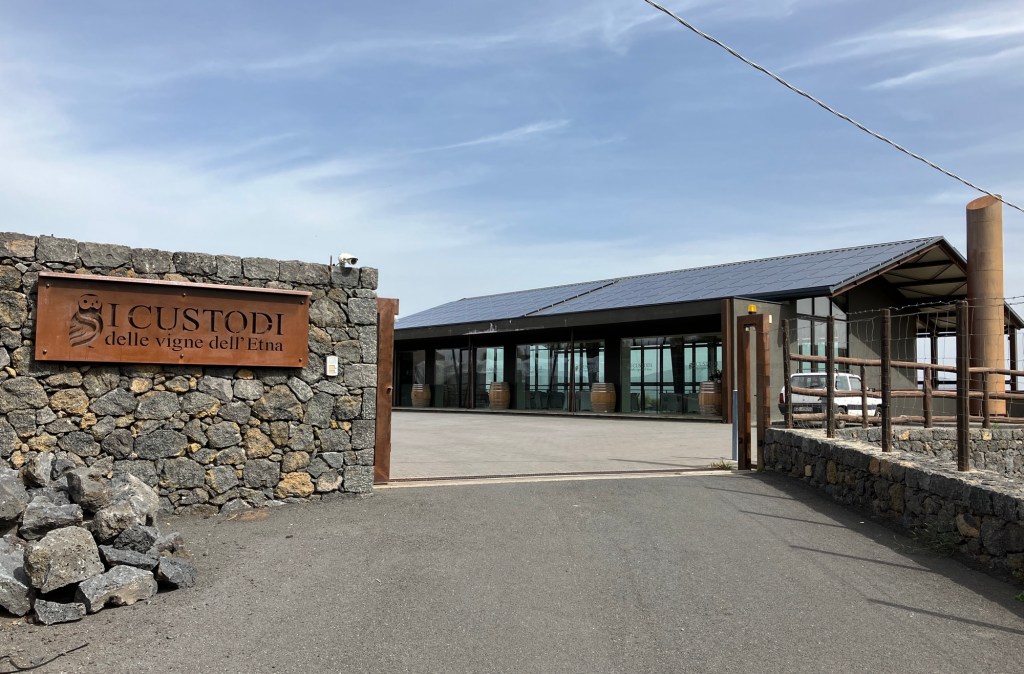
It’s been over thirty years since my first taste of a good wine from Italy, a Chianti I think from the great vintage of 1985. It was when proper Bordeaux became just about unaffordable for the eclectic palates who bought their wine from the much missed Richmond Hill Cellars in Melbourne. Thanks to that great shop, Italy fast became a source of well priced deliciously savoury wine. Those 1985 Tuscans did hit the spot, we could almost afford Sassicaia then. Many visits to the old boot later and still yet to set foot in Sicily. No better time really as Etna has tickled the radar in recent years, sometimes I’m not entirely sure why all the fuss but occasionally the odd bottle has definitely suggested a place like no other. There’s no better way to get there than the slow train from the coast north of Catania to Passopisciaro where the action is, or isn’t as John Coooper Clarke would say. Lots of investment in wine production, not a lot happening on the streets. A car would have made things a lot easier finding food, not to say driving would be a bit unnerving among the local Fangios. Careful google map planning, that never goes wrong does it, meant a nice hike through the vineyards to I Custodi.
It looked a healthy vintage. Happy vines and clean bunches. The winery is obviously a large investment in time and money but happily it looks more practical than architecturally extravagant. It must be close to self sufficient in energy use too and even incorporates an updated version of the old Arabic evaporation cooling system via the chimney on the right. It works well to suck cool air through the cellar below.
Thanks to the simpatico Maurizio, a sommelier of great knowledge and experience in the wine business, we got a great tour of vineyard and winery.
There’s a new plot of Nerello Cappuccio next to the winery. I Custodi are keen on the colour, freshness and structure it can add but not so much perhaps on its fickle nature. The single chestnut stake for each vine is the labour intensive way it’s been traditionally done. A trudge through the older Mascalese vineyard was like walking on a fine black sand and pebble beach of such softness, its black dust got through shoes and socks to leave sweaty feet blackened. Remarkably there’s some centenarian ancient vines which have survived phylloxera, gnarled and beautiful. Enough of the outside, inside to taste.
Ten bottles all in row, what a great sight. It was just about every example of their production. The whites in particular were extremely good. From vineyards on the eastern slopes of the volcano which produce finer Carricante perhaps? Pressed in whole bunches and stainless steel fermented and matured, there’s a purity and freshness but aroma and weight too. The real stars of the tasting were the two Ante and the Imbris. All three had that extra depth of aroma and richness, acacia or wattle as we smell in Australia, flower honey, nuts and white chocolate. Profound. The sort of thing found in great White Burgundy maybe? But cut with a breeze of indelible ashy acidity. The Imbris, I think, comes from a the prized slopes around Milo as it’s allowed superiore. From the rains the name suggests. The reds include about 20% stalks and 20% Cappuccio and a bit of older larger oak finishing. Nicely balanced between upright stainless only versions and the lift and nuttiness of more traditional ways. Except of course the Cappuccio, in purezza, as the Italians say which was deliciously bright, tense and reminded Maurizio of a good Morgon, well said. Maybe you can taste igneous rocks in a glass?
We ambled our way back to the village in warm sun thinking we knew a lot more about Etna. Big thanks to mates in the business in Melbourne for organising a such a treat.
For us those of us into good local food and wine that tastes like it suits the place, Spain is a good value adventure. Though there is some distance to travel across dry, high planes, it’s a joy to watch it pass by from a comfortable train seat and a picnic for lunch. If you’re headed to Spain, some of what follows may help, I hope so.
Tarragona.
A comfortable hour long bus from El Prat Barcelona airport to a lovely old town perched above the Mediterranean. There’s a pretty beach ten minutes away, La Arrabasada, roll those rs.
Best restaurants – El Llagut in the old town and El Posit down in El Serrallo, the old port area. Both serving good pans of rice and sea creatures. Wine prices were as reasonably Spanish as you like.
Best wine shop – Perhaps one of the best I stumbled into the whole trip, VinoVi is in a modern square just off the seaside end of La Rambla. A much less fraught promenade than the one in Barcelona. Owned by a lovely couple of worldly wise fluent English speakers. They really know Priorat and its surrounding DOPs and have great contacts thereabouts.
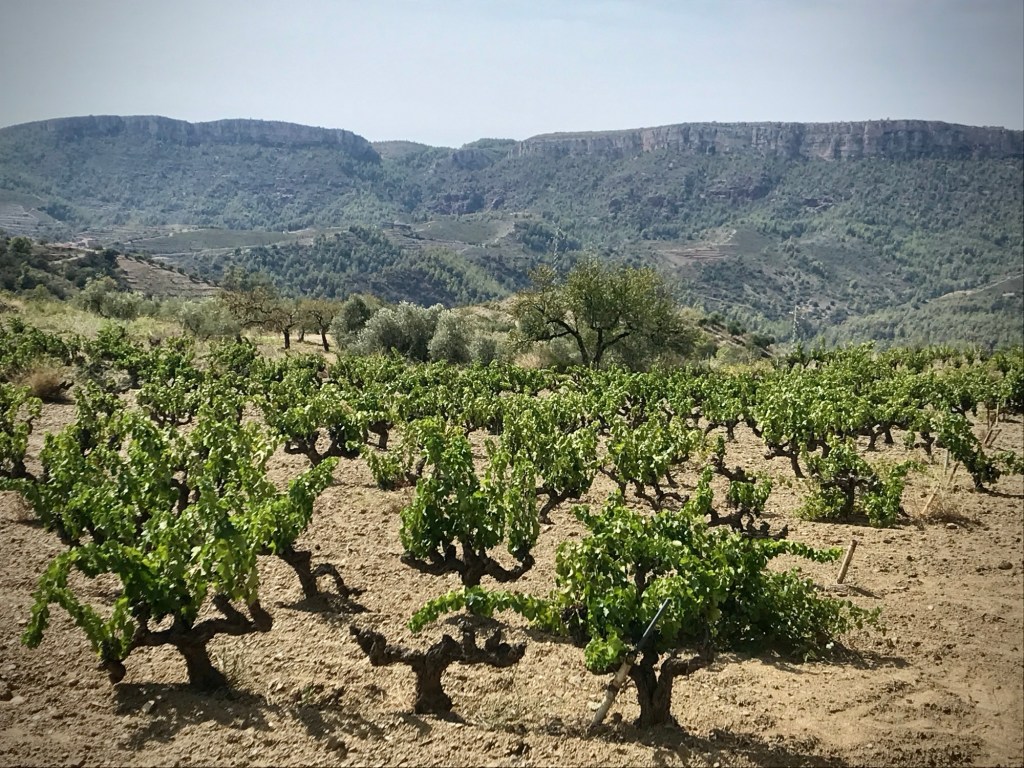
Best wine trip without a car – Take the train from Tarragona to Marça Falset. From there a taxi to Gratallops, downtown Priorat. If you stay at Hotel Cal Llop, there’s not much choice, they will organise the taxi. Great breakfast too. If you have trade contacts or a good retail relationship for an introduction, then a visit to Clos Mogador is one of the best ever. Great Priorat from one of the originals. Celler Cecilio in town offered a warm welcome and balanced, not too showy and delicious wine. Wandering the winding back lanes, the retired Viking who runs Sao del Coster offered an unexpected and thoughtful taste of his carefully made Priorat. Wouldn’t accept the usual tasting fee, due to my enthusiasm, or as he suggested we didn’t eat enough of the really good cheese he offered. Sadly I didn’t manage a visit as vintage was in full flood, but Meritxell Pallejà would make a good stop too. There’s always Álvaro Palacios just across the valley if you’re there outside vintage and have influence in the industry. I do worry about the effects of a warming planet on Priorat. Visiting in September 2023, it seemed it hadn’t rained properly in two years. The river Siurana had completely dried up. The vineyards all dust and brown cover crops that crumbled to dust in my hand. What effect will this have on the naturally bright freshness of Priorat? The photo at least shows just how resilient those old Carignan vines are.
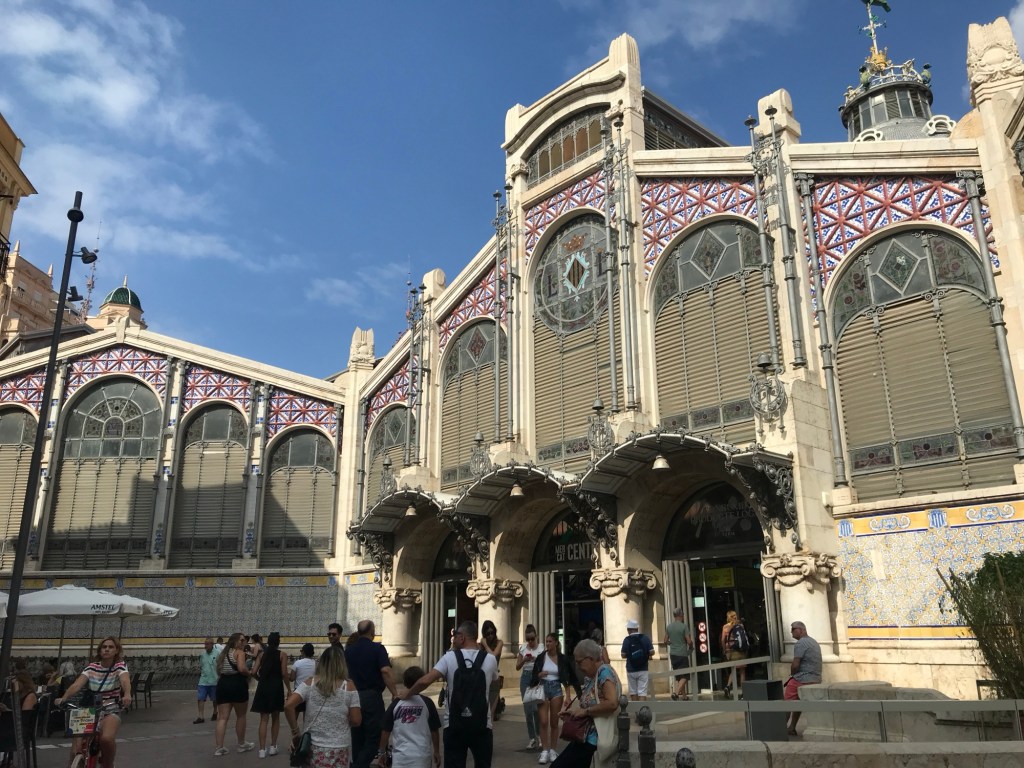
Best food shopping – Crusteau and Forn Andreu for bread. Casa Amatller, a quality small supermarket, and the Mercat Central pictured below for everything else.
Valencia
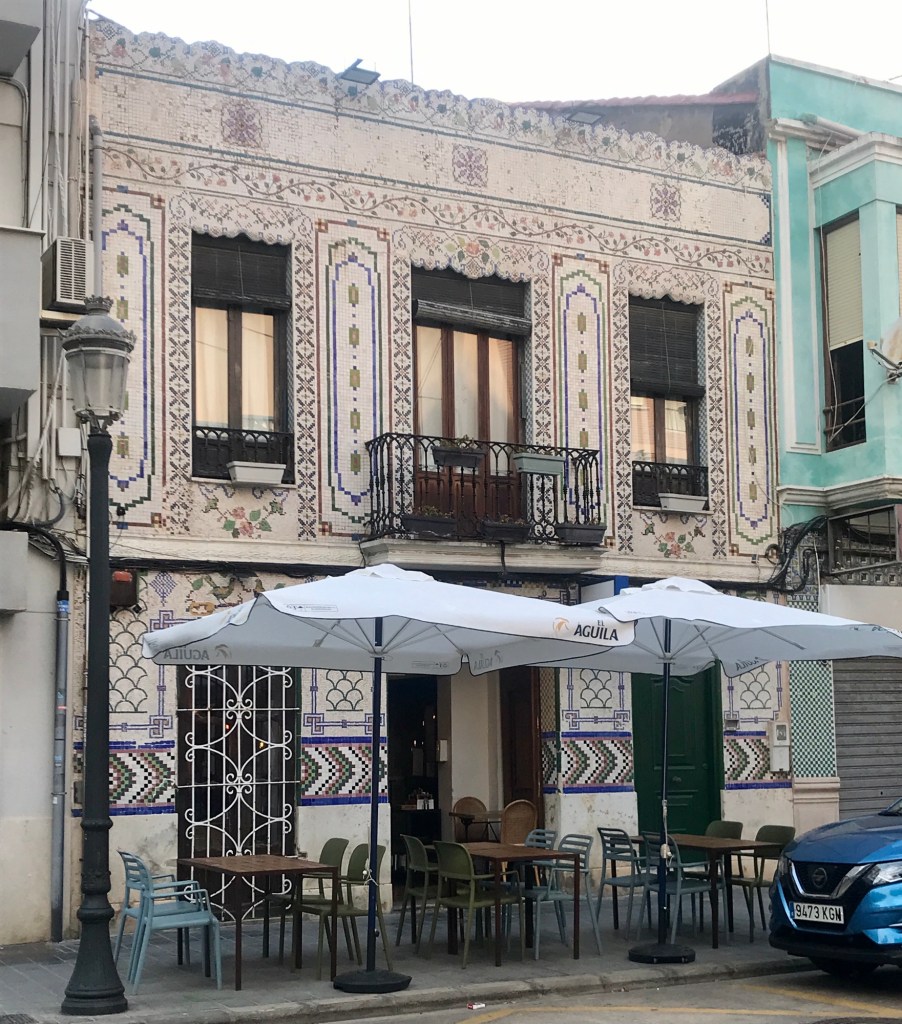
An easy train ride along the coast from Tarragona to a major food city and a lot less tourists than Barcelona. El Cabanyal is a fascinating beachside suburb, saved from demolition with old streets of nineteenth century tiled facades. Still feels local with a smattering of digital nomads ensuring good coffee. The old city centre is a few kms away linked by a good tram service. If you stay in the old town, try to find somewhere near the Torres del Serrans. It’s nearer the tram stops to the beach. The tram’s a lot quicker than the bus.
Best restaurants – Ca Pepico in Roca Cúiper, a short train trip from Valencia. One of the best run places ever. Exemplary rice dishes, even better than the one we tried in El Palmar near the Albufera marshes where they grow the stuff. An incredible wine list, even extending to Ghislaine Barthod, star of Chambolle. Relaxed conviviality Ca Pepico style captured below.
A special mention for Ca Xoret in Roca, just north of the train station. We only stopped for a late morning snack, it is Spain, but the warm hospitality when they were trying to set up for lunch was lovely. The wine list looked a buff’s joy too. What is it with this village? Back in El Cabanyal, Bodega Montaña is an institution. A characterful old bar serving good food and wine with modern slant, now run to cope with great popularity. Book.
Also in El Cabayal, more relaxed and great for a copa and lunch is La Batisfera. Taska La Reina is good too. In the old town, it’s nice just to wander and browse menus. Bodega Olivi was a favourite stop for an aperitif and snack but it’s tiny. Go early. Best value lunch was 64 Restaurant in the Quart hostel. Pretty room, friendly and a tasty lunch for €11! Generally the standard of cooking in Valencia is incredibly good. Michelin stars abound with good reason.
Best wine shop – Bodegas Baviera in the old town have a good selection. Like a lot of Spanish wine shops the aircon wasn’t impressive, in fact it was pretty hot in there. Maybe stick to recent vintages. The Mercado Central, a cathedral to food, has a good couple of stalls specifically for wine too. I must admit to not really warming to Valencia’s own local grape Bobal. After a few recommendations, it seems it’s just a bit too big and bossy. Grainy green tannins and rough acidity that even gentle whole berry brewing cannot tame. There is a producer we see in Australia, Celler Roure, making finer things from Garnacha (Tintorera, I think?) and the local Mando. Available all over Valencia and a frequent default. Of the local whites, Merseguera, seemed promising. Richer and rounder version of Verdejo maybe with nice cool acidity and lower alcohol. Some choices by the glass were perhaps a bit dilute.
Best wine visit without a car – didn’t do one but it seems there’s trains to Utiel Requena. Looks like there’s a few producers walking distance from the train station but going that far for Bobal didn’t appeal.
Best food shopping- you really don’t have to go much further than the Mercado Central. Enormous and beautiful. Maybe getting a bit touristy for some locals but still great quality to be found. If you’re a Insta fan, a famous local Michelin star has a counter serving market produce food with a queue. El Cabanyal market is still very local, good value and fresh produce. The precooked caramelised pumpkins are delicious. Good sourdough bread is hard to find. My favourite was Panem Unique, a tiny shopfront near the Mercado Central, pictured below.
That’s it for Catalonia and Valencia which seems to be Catalan in terms of language and food to the casual traveller but maybe not to the Valencians. Adventures in Leon and Salamanca to follow….








 Cognitive Bottle Therapy