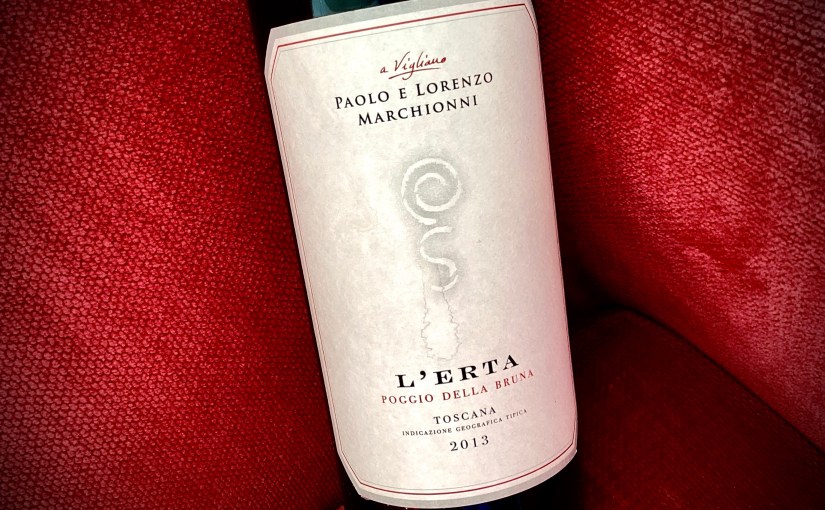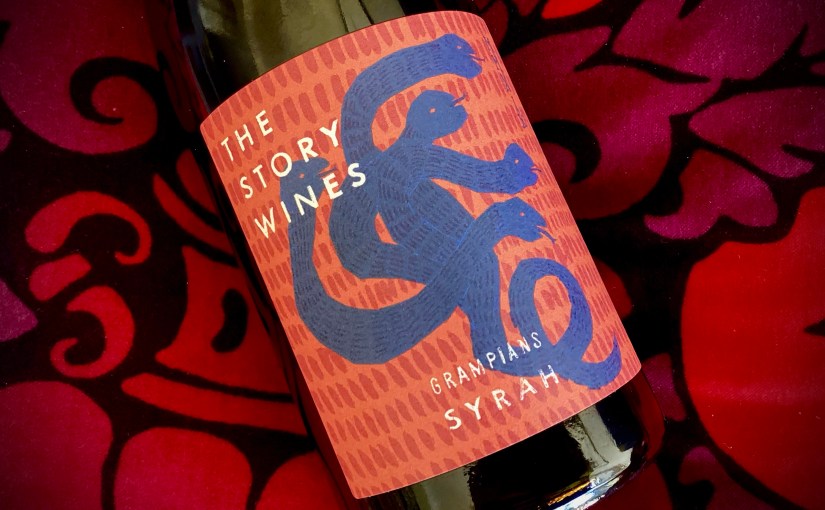
2019 The Story Grampians Syrah

How big be the influence ancient Greek culture and it’s imperial Roman offshoot on us modern westerners? Apart from the politics and art stuff, what’s wrong with a low key Bacchic revel now and then? A tangle with a classics education seems to lead to the need for a drink. Heritage, that’s my excuse. The back label says the Hydra of Lerna is pictured to represent a vintage with a series of challenges to face, metaphorical heads to sever. The Romans get a look in too as the front label reverts to MMXIX for the vintage. To the drink before Monty Python jokes take over. Initial impression of rich and ripe for the label. Raspberries and blackberries in syrup, plump and dark. Holds onto freshness though and well seasoned with brown spices and what feels like woody stem flavour and tannin. Gains some energy at the end with sweet skin tannin for a bit of lush pleasure. As it opens up on the second day, things get more serious. Dark and earthy at its concentrated core. A frown that says come back in a few years and we’ll see. Hidden depths?

13.5% alcohol. Screw cap. $30, value.

94+ points.

2018 Davide Carlone Colline Novaresi Nebbiolo

On the way between Milan and Turin as the high speed train thundered through the town of Novara, I did idly think a stop would be interesting. Gazing north to Lake Maggiore, the country looked gently hilly and quietly inviting for wine exploration, one day. Seems I’m not alone as those Mondo Import lads from Boccaccio Cellars have been bringing in Davide Carlone’s wines for a few years now at direct prices that are very tempting. This bottle opened with a health spa blast of bitter herbs which quickly evened out into rose oil, crisp red cherry buffed with granite dust tannin and well mingled ripe acidity. Over three days, the fruit darkened to maraschino cherry and some roasted nuttiness. The true nuttiness though would be to drink this without good Ital stylee food. Swishing a sip after a mouthful of a Sunday night pizza treat isolated all that sweet Nebbiolo tang into pure delicious pleasure. And that was after three days of oxygen exposure, more reason for slow food. The thought occurred this is sort of between the power of Barolo and the mountain crispness of the Valtellina, geographically obvious really, duh.

13.5% alcohol. Diam, good. $38 in Neb terms, value.

92 points to start, 93 to finish, plus plus for pizza appropriateness.

Yikes, another one that got reviewed before, almost exactly a year ago. Seems blushes are spared as both similar and same points. Good fun if you don’t check before posting.

2018 Forbes and Forbes Eden Valley Riesling

In times past the Adelaide wine writer Philip White wrote glowing and sometimes wild words of love for Forbes and Forbes Riesling. Bottles never seemed to make it to Melbourne but the curiosity remained. When a one turned up at auction, my bid was enough. The back label says the grapes come from vines in Springton EV that are old and deeply rooted enough to produce good fruit in what was a warm and dry season. First sniff and yes, a beguiling power. A waft of fossil fuel recedes into deep exotic citrus, lilies entwined with white peach, a touch of vanilla and sweet green herby things. All these beautiful flavours are amplified by the sort of gentle succulent acidity that only perfect hand picked grapes can produce. Mouth-wateringly great Riesling. There’s an array of citrus flavours that transcends the simple lime and lemon, expanded to blossom, peel oils, juice and pith all at once but only the best sort. Probably one of the most delicious Eden Valley Rieslings I’ve been lucky enough to drink. Bought back memories of that 2002 Henschke Julius and that’s something. Time to visit the Forbes and Forbes website to see what else lurks.

12.5% alcohol. Screw cap. $29.95 at auction.

95 points. So good.

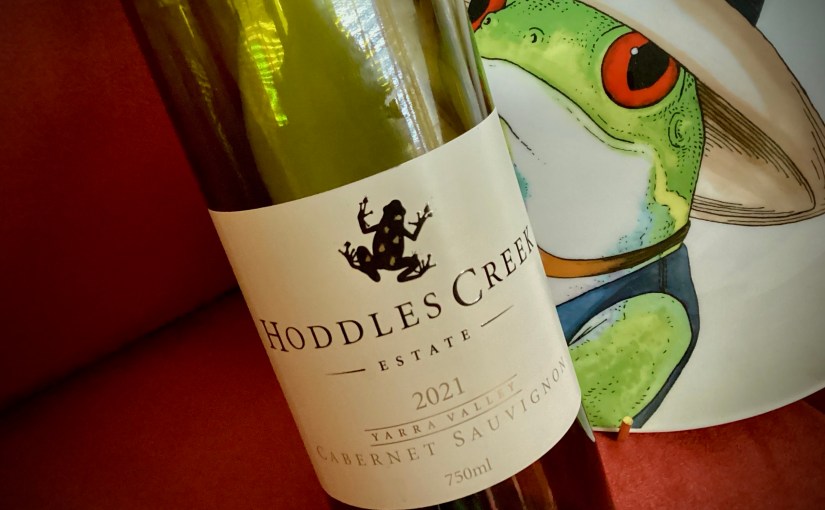
2021 Hoddles Creek Cabernet Sauvignon

You may have read it, er..reddit here before but there’s a spawned fondness for Yarra Cabernet that keeps me coming back. It’s obvious that the Upper Valley is perhaps a bit cool for Cabernet to ripen to the richness many expect in Australia but if you fancy crisp acidity and a bit of leaf that lead to some food friendly succulence bear with me. Bright, frog pond fresh and clean to open. Loads of red fruit, cherries, almost strawberry and blackcurrant leaf. So bright maybe some whole berries in the brew? Appealing savoury undercurrents of sweet earth and almond paste add length like Medoc gravel does to good claret. The acidity sits a little high as the surprisingly sweet tannin calms the end. Reminds me of Loire red ripeness, mouthwatering and ripe enough for me, maybe not you though?

13.5% alcohol. Screw cap. $20 but a ridiculous $24 for two on the shelves of those credit card terrifying Boccaccio Cellars. Balwyn calling.

92 points, easy.

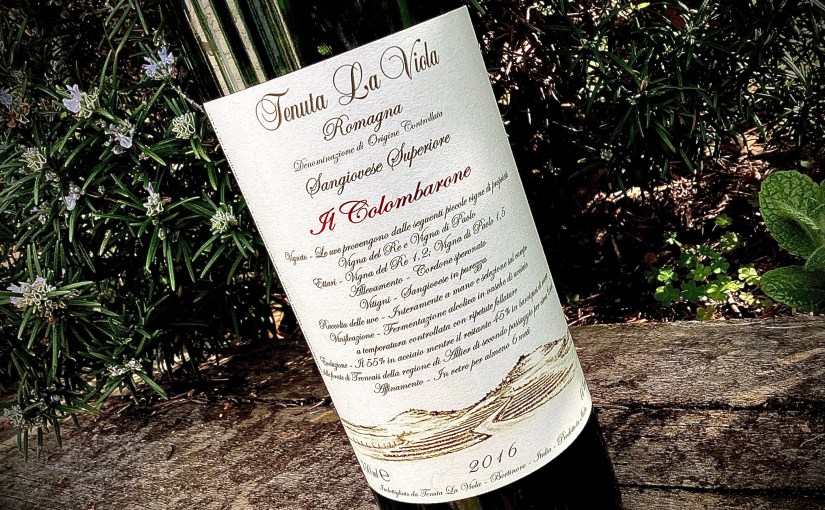
2016 Tenuta La Viola Il Colombarone Romagna Sangiovese Superiore

Emilia Romagna is a favourite bit of Italy. Beautiful old cities and great food and a delightful paradox of wealth and a tendency to vote for socialist councils. Champagne communism, health, education and fresh truffles for all. Interesting local wine too, from unfashionably delicious Lambrusco to Sangiovese further down the Po that sit so well on the table. This one seems made with care from quality grapes. Clean and fresh with both smells and flavours of distinctive Sangiovese that suggest cherries, leather and roast nuts. Medium bodied and that singularity of tannin and acidity that Italy does, all as a whole. The tannins bristle with delicious grape skin ripeness. The twenty percent new oak virtually invisible such is Sangiovese’s affinity to a bit of judicious barrel. Le tagliatelle al ragù and this wins my vote.

14% alcohol. Nomacorc. $39.

93 points

CVC Artelan Rioja

After five different bottles from Bodega Badiola, all of them delicious and beautifully made, it’s time to try the last available. A blend of two different vintages which the label says was a common decision in times long gone. I googled to see which vintages and thought I saw a reference to 2017 and 2018. Tried checking but nothing pops up, maybe I imagined it? Details aside, this Conjunto de Varias Consechas appears to be another clean and nicely understated expression of just so Alavesa Tempranillo. A little rounder than the 2018 white label, rich but in no way jammy strawberry and cherry fruit fits neatly into an even flow of mouthwatering acidity mingling seamlessly with fine crisp tannin. Savoury notes of spice and chalky earth. Gentle but satisfying. Softly voiced but speaks a clear authenticity. Of all the value imports on Dan’s heterogeneous shelves, Badiola and Mommessin stand out for consistent quality. Hope there’s some new vintages to explore next month as I think I’ve exhausted the current options. Always cheered by new shiny things to buy. Silly really.

14% alcohol. Diam. $19.

91 points.

2019 Tasca d’Almerita Tenuta Regaleali Lamùri Nero d’Avola Sicilia DOC

From a Sicilian family estate traditionally spacious in the possession of dirt and a first review of Nero d’Avola hereabouts. Fresh cherry red and cherry flavours to match. Tang of cherry juice and a sweetness of dried cherry too. Light dusting of spice. A fragrant overlay of dried herbs, sage and almost oregano, appropriate for Sicily. Touch of clove and dusty wood. Only just ripe enough with a pucker of perky acidity and fresh tea tannin. The data sheet says 20% new oak but it’s not imposing as it wafts in and out and tickles the tannins as it closes. Bright and cheerful the first day. Perhaps my palate wobbled the second day or the fruit is a touch under ripe and green as there’s a lurking bitter end. Bit of sulphide or green, not sure. Could be just failing faculties as I thought it tasty at first.

13.5% alcohol. Nomacorc. $24 Dan’s member’s special.

91 points day one, 87 day two or palate aberration? Probably not on the list to buy again, so I may never know.

This isn’t turning out to be the most inspiring monthly Dan’s six imports. A longtime interest in things Portuguese and a not exactly overwhelming choice at Dan’s meant another look at the Coutada Velha Signature from the Monte da Ravasqueira estate. Must admit to trying the 2019 version which didn’t excite enough to heartily recommend. Too much in the ripe unctuous style for me. No doubt others would enjoy the rich fruit more. The 2020 has appeared on the shelves. Running out of new options, I reckoned it worth a look as the Alentejo can be a happy place for bright, rich and good value wine. Quite developed for its age, sweet dried berries, orange skin oil, soy and dashi savoury to season. Quite old school Australian in shape with a burst of up the front fruit that tapers to a tangy end that sits a little outside the flavours. Second day, there’s a bit of lift and some of that Iberian rocky cut emerges. A blend of Aragonez or Tempranillo, Trincadeira and Touriga Nacional. Google research, is there any other sort, suggests there’s an Australian chief winemaker at Ravasqueira. I remember reading about David Baverstock overhauling old dirty winery practices in the early 1990s in the Alentejo. Still going strong it seems with bottles of wide appeal. At the price they make a strong claim.

13.5% alcohol. Diam. $18.10 in a six.

89 solid points.

Well, that wasn’t the best six from Dan’s. The last bottle a 2018 Frescobaldi Nipozanno Chianti Rufina Riserva was very disappointing, especially as their Montesodi bottling has been amongst my best Tuscans ever. Opened smelling of horse farts and got worse. Clean your barrels you wealthy Frescobaldi aristocrats, you can afford it.

13.5% alcohol and you’d be desperate. Diam. $32 member’s special.

No score, thought I’d offer a view to help avoidance.

2018 Bodega Badiola Artelan Rioja

Another month and another six random import bottles from Dan Murphy’s chosen on the basis of a bit of prior knowledge and member’s special prices. Must admit to gazing at this bottle on the shelves for a while but have shied away as basic supermarket Rioja can be a little too engineered with American oak and extraction for my precious taste. I should have got my glasses out and looked at the back label to see it’s made by Badiola whose more expensive bottles have been exemplary in terms of gently expressive winemaking. See previous reviews, particularly the blancos. This stays true to the model. Just medium bodied, perfumed strawberries, toffee and chalky length. Some would say cola? Not having indulged in a cola drink for years, I suppose my strawberry and toffee is close to the US’s gift to the world. Light touch in the making again. Gentle infusion compresses those clean, precise flavours well into an end of refreshing ripe acidity and ripe tannin of silky poise. Cool fruit from up on the Alavesa and Rioja of character not caricature. There’s a black label version of two vintages blended, I’m in.

13% alcohol. Diam. $18.10 in a six.

91 points but so elegant as Iggy would say.

Well, the Rioja was good but the squat bottle of 2019 Tinazzi Ca’ de’ Rocchi Valpolicella pictured in the six was very much less so. Opened with a reductive pong that cleared to a washy lift of spearmint and vague red berries sprinkled with a sort of cooked brown sugar coating. Fades quickly into some unappealing green acidity. Left a day and not much improved. Most of the bottle ended up cleaning the plug hole. Looking at Tinazzi’s glamorous website, they say the Ca’ de’ Rocchi range is made for those not used to the sharpness of traditional Valpol, the tech sheet says it’s got nearly 5 grams of RS. Don’t think Quintarelli or Allegrini ever needed make up to make their stuff drinkable?

13% alcohol. Diam in a very narrow necked bottle, struggle to remove, impossible to put back in. $23 down the drain.

85 points but subjectively less.

At the end of the last century, Potensac was a reliable and good value taste of Bordeaux as prices were starting to rise dramatically. Now it has a second wine it seems. So a 2017 Chapelle de Potensac which was $30 on special, down from $40. Oh well, Domaines Delon have a good portfolio it seems from the back label, so I decided to risk a Bordeaux from what seems an uneven vintage. Mostly Merlot for immediacy perhaps? Reductive with a smell like those old cap guns us kids in sixties UK used to shoot each other. They’re probably as rare as good value Bordeaux these days. Nice shape to the wine in terms of gentle just OK acidity and fine gravel tannin. The flavours dilute with cooked red berry and mulberry flickering in and out. Sweet green herb and leaf. Finally a small nudge of the sort of earthy richness that I’ve enjoyed in a limited experience of more celebrated Bordeaux. Oh well, I enjoyed the Rioja so much more and it’s much cheaper. This is so careful and polished as to be anodyne. At least there was enough to make it through the bottle. Anodyne can mean boring, dull or insipid or pain numbing. At least a few glasses were anodyne in the sense of taking off the edge off spending $30.

13% alcohol. Diam again. $30 on special.

90 points, maybe in a blind line up 88, it’s a classic label and I’m a snob at heart.

2010 Ca’ Rome Maria di Brün Barbaresco

Having opened a leaden, malty and hulking 2010 Barolo recently and read alarming reports of disappointments with the vintage, thought it time to see if money and patience had been wasted, a familiar sensation to Burgundy fiends especially. Seems this is named for the winemaker’s mum and comes from a special bit of the special Rabaja cru planted to the Michet clone. Important info thanks to importers Trembath and Taylor and their detailed website. The first small pour wasn’t encouraging, looking a bit rusty and tired but air brought a sense of relief as the colour brightened and darkened, if that makes sense? Black cherry, deep tarry earth flavours and a flicker of juicy red fruit to bring a twinkle of chiara to the profound scuro. More air and interminable swirling bring liquorice root and fennel to saturate the retro nasal canyons, intense. Ripe acidity sluices it all through the mouth. The tannins, and what tannins, throb and build and take no prisoners. Brilliant but don’t think it’s possible for wine to be any more positively tannic. Couldn’t imagine trying to drink this without something full of protein and fat to eat. Monumental antioxidant Nebbiolo. Seems there’s another in the cellar to wrestle should bottle variation and cork be kind.

14% alcohol. Cork. Was possibly about $100 or so of recklessly optimistic spending.

95 points and no arguing with those tannins.

2017 Tyrrell’s Pokolbin Hunter Valley Semillon

Thanks to some high praise on Winefront and a memorable glass of 2013 Tyrrell’s Belford from the Sydney Opera House Bar, a spectacular place for a drink on a summer evening, I’ve been slowly building up a stash of a few bottles. Like good Riesling, Hunter Semillon doesn’t seem as sought out as some on Langton’s auction site. Three bottles of this for $17 each seemed a good buy. Only way to find out was to open one of them. Sweet green herbs, baby green peas and nettles. Hint of beeswax. Lemon rind oils and brisk citrus add fruit sweetness. There’s also an intriguing smell of something like dusty roads just as it starts to rain, petrichor anyone? In texture, a rainwater like softness on ripe but very mouthwatering acidity. Not the fruit power of Belford or HVD but so easy to drink. Roll on summer.

11% alcohol. Screw cap. $17 at auction.

91 shy points.