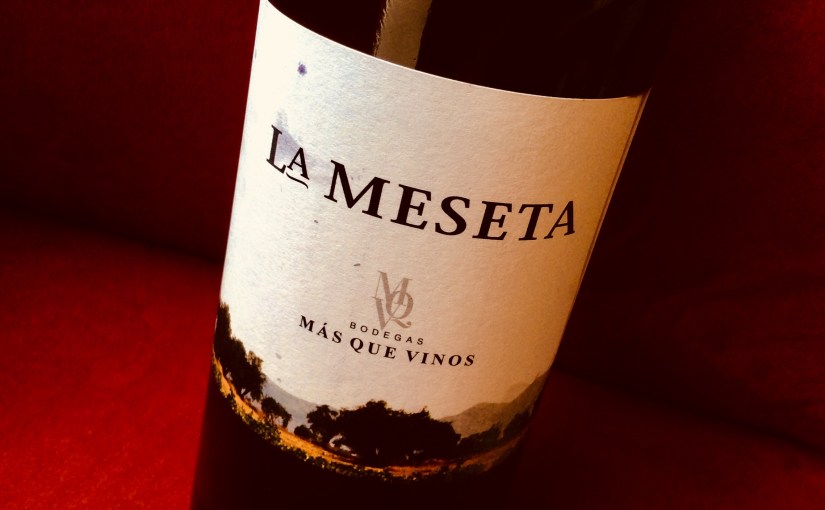
2018 Bodegas Más Que Vinos Tempranillo Joven

From near the beautiful city of Toledo, Tempranillo vineyards found on La Mesa de Ocaña at some altitude. I must admit to most liking Grenache and Mencía in things Español but it would be impossible to love Spain and not indulge in the reliably sturdy Tempranillo. So many interpretations, some overwrought, the unoaked young one is a great place to start. It’s oft said there’s one flavour in Tempranillo that gives it away, cola. Having avoided Atlanta’s favourite sweet fizzy drink for more than thirty years, its main flavour lurks here maybe? Without the nose tingling fizz or sugar. Slabs of cherry and strawberry, drizzled with dark burnt caramel. Large grains of sweet ripe tannin dragged along on settled firm acidity. Didn’t budge over a couple of days. Brawny, perhaps a bit chunky, but satisfying. As an introduction to Spanish wine, Tempranillo is the place to start for sure.

13.5% alcohol. Diam. $21.

90 solid points.

2016 Veronica Ortega Quite Bierzo Mencía

Perhaps the best red grape revival from Spain in recents decades? From the apparently tiny village of Valtuille comes a fresh, clean, deliciously red fruited version. Opens with a quick to evaporate touch of green tinged reduction. Then red currants and raspberries morph to mulberries with an almost incense like lift, brisk and crisp, nice and clean. Second day, the glistening fruit gets redder than red with a chew of toffee. Oddly the texture made me think of a lean and sinewy cyclist ripping along a bitumen path cut through shining granite. Weird mind, graceful wine. Quite nice.

13% alcohol. Cork. $30.

92 points.

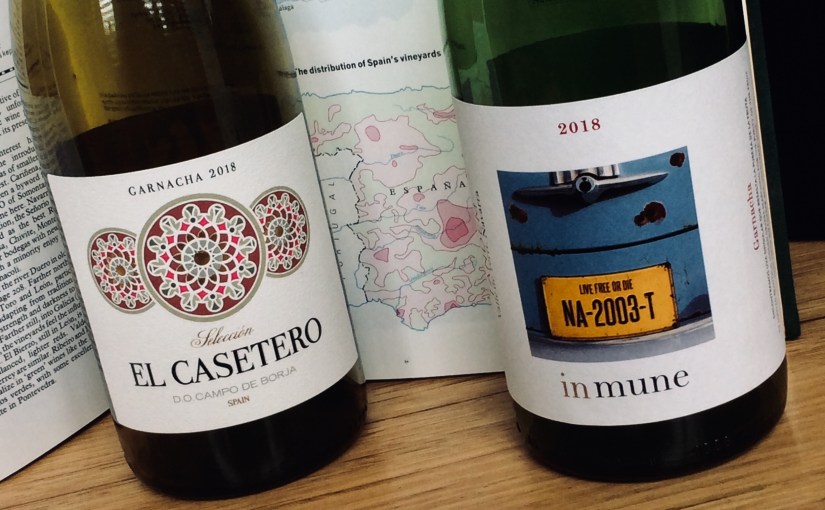
2018 Tandem Inmune Navarra Garnacha and 2018 Bodegas Frontonio El Casetero Campo de Borja Garnacha

Two new direct imports from Dan Murphy’s booze barn. Yet more evidence of the value Spain and Grenache offer to the discerning drinker, and this blog as well. Ripe, buoyant and cheerful, Grenache that is.

First the Navarra version from an area just to the north of the dry plains of Aragón. Cool valleys maybe but still warm enough to ripen heat loving Garnacha. Just ripe red berries pumped up by some whole berry ferment. Soft, sweet green herbs. Spice and a ferrous, earthy bloody cut to reign in the boisterous berries. Light body but plenty of good clean flavour fun. Mouthwatering acidity finishes off.

14% alcohol. Screw cap. $13.99.

90 points.

Something from the sun bleached plain of the Campo de Borja made by the intriguing Bodegas Frontonio run by a very smart MW. How I managed to miss them despite spending two weeks hanging around Zaragoza is annoying and through no lack of enthusiasm for the local wine bars. Warm lift of perfumed roses, musk, raspberry and sweet brown spices, so fragrant, not sure it shouldn’t be dabbed behind the ears. Whole berry fermented again, must be, it’s so smelly. Calms down in the mouth with those red fruits floating on toffee soft tannin and acidity. Again that bloody, ferric savouriness stops the sweet fruit getting out of hand. Olé.

13.5% alcohol. Cork. $13.90.

90 points.

2017 Viña Callejuela Blanco de Hornillos

If this was poured without knowing what it was, would we accept the nutty oxidation? Drinking what is basically Sherry without the flor yeast slumber and the fortification is a grand adventure in flavour and how we approach different styles of wine with the prior knowledge of how they’re produced. I must admit to being reasonably tolerant of the touch of dank old oak and sour nutty oxidation in a good Manzanilla or Fino. There’s often a depth of fruit and salty richness to compensate. It seems this is Palomino from the Pago, read vineyard I think, of Hornillos, blended with grapes from three other Callejuela owned pagos. Gently nutty, amazingly complex and pleasing flavours of that chamomile, chestnut honey, yellow fruits and a bite of chalk. The mouth filling richness cut by firm acidity and some pithy texture. It all seems to hang together and beckons another sip. Another one of those Mediterranean places that owns its special grape and distinct style. Makes you miss travel with a sweet ache.

12.5% alcohol but a lot of ripeness and flavour. Cork, oh well, screw cap would suit perfectly. Another lockdown bargain from TSA.

92 points for pleasure not technical things.

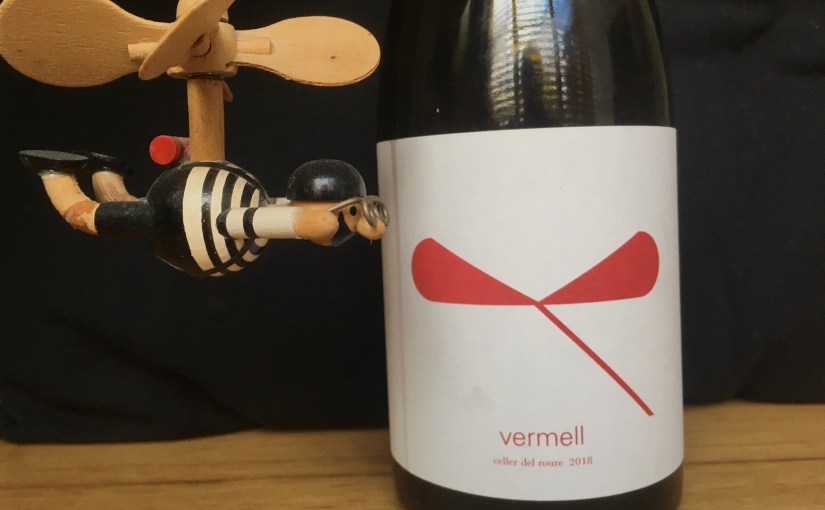
2018 Celler del Roure Vermell

From the Spanish DO of Valencia in the way of 70% Garnacha Tintorera aka Alicante Bouschet and 30% Mandó, a rarity and yet another one of those Mediterranean grapes to add to the long list of discoveries. Jancis’ bible, Wine Grapes, suggests Mandón, originally from Bierzo in the opposite north west corner of Spain. Twinkling ruby red and only just medium of body, there’s a fresh, clean perfume of an uncrushed berry ferment casting its shadow over tangy red currants, cherries, pomegranate and earthy spice. Flows through the mouth like a good cru Beaujolais with naturally mouthwatering acidity and its own distinct chalky herbal end. A cool glass with some snacks on a warm Iberian night seems a nice dream. Don’t think it’s worth adding Mandó to the category section. Probably doesn’t pop up in a google search that often.

12% alcohol. Cork. Gratefully discounted to $96 for a six pack from The Spanish Acquisition. Worth a share with friends if you live in Melbourne.

92 points. Plus a bit for a sunny personality.

2016 Celler Aixalà Alcait Pardelasses Priorat

Pardelasses, for the donkeys it seems and this ass thought this 50/50 blend of Garnatxa and Samsó close to the one of the most enthralling drinks so far this year. Despite opening a bit sulphur stinky, a quick decant revealed dark balsamic cherries, a beguiling scent of sweet smoky pimenton, olé, and liquorice earthiness. There’s also kirsch, morello cherries and a finish where that sweet smoked paprika taste pops up again. Like a lot of great red wine, there’s an incredible freshness and a paradoxically firm but soft textured end gently brushing things clean to a mouthwatering conclusion. A very special expression of grape growing and place. Just as good on the second day. Samsó or Carignan as it’s better known can be so special in old vines and low yields. So soft and luscious. This old donkey is smitten by Priorat now.

14.50%. Cork. Another from The Spanish Acquisition’s wonderful mystery packs.

96 points.

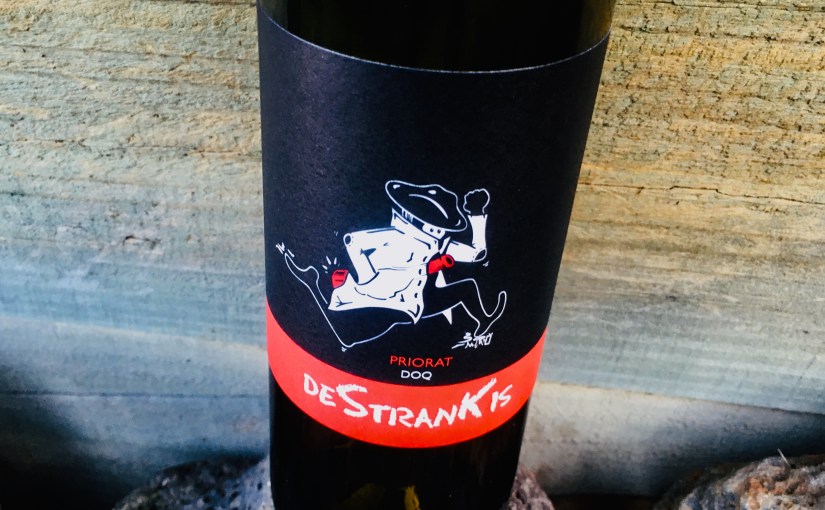
Lot 5/2017 Celler Aixalà Alcait DeStrankis Priorat

There’s no clear vintage year on the label apart from lot 5/2017 in small print tucked away on one side. So, 2017? A little research on the importer’s website says 2017 and the fact that Destrankis is a Catalan term for assets that were hidden from the Franco dictatorship. Ah, hence the bottle hidden under the coat on the label. Opens cleanly, lots of dried cherry skin, ethyl acetate balsamic, sweet roasting pan juices and a richness of fresh red fruit. Grapes left to ripen until they just started to shrivel a bit. Instead of dried fruit cake flavours, there’s still an extraordinary sweet swell of fresh ripe berries and then the thing that perhaps marks Garnatxa and Samsó (or Carignan) from Priorat, a smooth wall of polished rocky tannin and acidity. An amazing expression of grapes and place. Finally it’s dawned on me why there’s all the fuss about Priorat. Delicious ripeness that seems to glide on such a fine bedrock of the local llicorella stone. Paradoxically soft rocks? The blend’s 80% Grenache and 20% Carignan, beautiful wine.

14.50% alcohol. Cork. Enormous thanks to the importers, The Spanish Acquisition, for offering mystery six packs for $90 and included this and another Celler Aixalà Alcait bottle with RRPs well north of $60. Really hope they keep their heads above the dreadful Covid financial waters. Saludos.

93 points.

2017 Bodegas La Purisima Estio Blanco

Spain has some of the most convivial bars for a delicious crawl but frustratingly for a wine lover, some have a limited wine selection by the glass. Try finding a fresh copa of Manzanilla outside Andalucia or anything elsewhere apart from the ubiquitous Tempranillo or Verdejo, Spain’s answer to Sauvignon Blanc. Or perhaps it’s my prejudice about grapes beginning with a V? Oops, Macabeo’s name in Rioja is Viura, perhaps we can stick to the former to maintain the unreasonableness? This example of Macabeo is from the hills of Yecla, 150kms inland from the beaches around Alicante where it’s probably drunk by the tanker load. An interesting but recently a less loved variety, here it doesn’t shout too much but shows low key but complex smells of chamomile, green apple, olive, and sort of plasticine. Widens out nicely in the mouth and then tails off, leaving a good pithy grip and firm but fair mineral acidity, tinged with a breath of oxidising sun burnt skins like a warm sea breeze. Could be enjoyed without paying too much attention but enough going on for those seeking a taste of an authentic Mediterranean grape.

12% alcohol. Screwcap, yes. $21.

88 points but a decent bonus for a cleverly made, properly authentic to region drink.

2018 Félix Solis Caliza Gran Seleccíon Tempranillo

Spain’s certainly a place for great value. This is apparently hand picked, turned into wine, bottled and put on the shelf at Dan Murphy’s for a measly $10 or $9.50 in a mixed six, incredible. Clean whole berry ferment smells on opening. Medium weight flavours of sweet strawberry and toffee which I particularly like in Tempranillo. An admission, the telltale cola character is not an easy one to spot for me but lots of tasters say it’s unmistakable. There’s a good flow of flavour and some satisfying ripe acidity and firm tannin which is something recognisably good about Tempranillo. Yes, satisfying indeed. Thank Bacchus, the continuing importance of wine at the Spanish table keeps prices traditionally low despite beer now being the most popular social drink. Not sure I’d like to work in those sun blasted La Mancha vines for what they pay. Happy to enjoy the result though when it’s this delicious.

13.5% alcohol. Diam. $9.50 for good grapes, no artifice and real wine.

89 points.

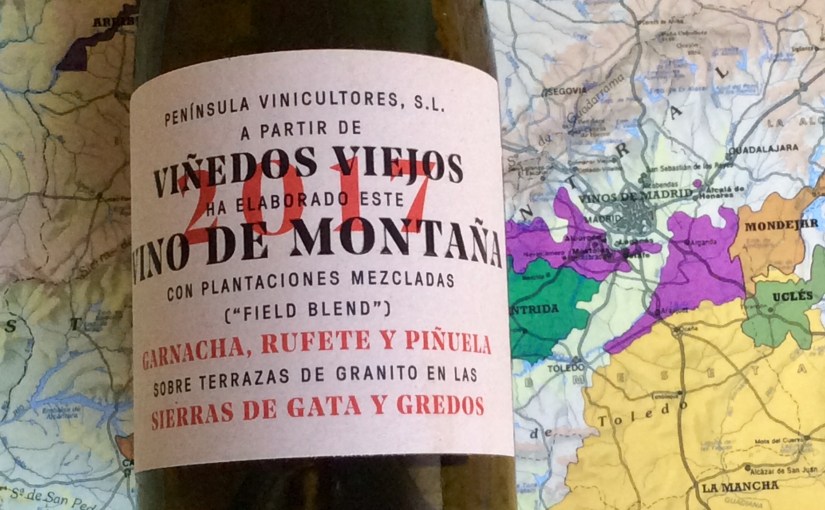
2017 Península Viticultores Vino de Montaña

Old vine Grenache from vineyards in the mountains near Madrid blended with a couple of obscurities in Rufete and Piñuela. The Jancis grape bible says Rufete is Portuguese in origin but has no entry for Piñuela, so it remains mysterious. Having spent time in Madrid and surrounds seeking out these mountain versions, it’s fair to say it was hard to find one that really scratched that Grenache as altitude Pinot itch. Sadly a bottle of Commando G has proven too elusive. It’s therefore a nice surprise to find a well priced, clean and fresh example. Just medium weight and increasingly delicious after a few hours airing, there’s tart cherry, a touch of almost musky incense and that sensation of licking a lump of granite. It’s already been pointed out a few times this might be a silly thing to do but I can’t think of a better explanation. Structurally there’s some fine pixel tannin and ripe but mouth watering acidity. Mountain wine! A little more mid mouth fruit weight and the bargain would be a steal. Some good olive oily Spaniard in the works food, mucho bueno.

14.5% alcohol but it doesn’t show. Diam I think. $26 but it can be found for as little as $20.

92 points but a strong shout for style and place.